


Building community capacity through the strengths of people.
The
Assets
Framework
2006
ASSET MAPPING
Discovery
Connection
Transformation
Journey Mapping
&
Results Mapping
What is
Asset-Based
Community Development?
What are
The 40 Developmental Assets?
What is Social Capital?
150 Ways
to Build Social Capital
The Connecticut Assets Network draws on the complementary but distinct approaches developed by the Asset-Based Community Development Institute at Northwestern University in Chicago and by the Search Institute in Minneapolis.
patek philippe replica
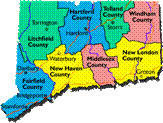
Communities in Connecticut using this Framework in 2006 include:
RECOVERY
Yale Program for Recovery
and Community Health
Connecticut Community
for Addiction Recovery
REGIONAL ACTION COUNCILS
ERASE
MCSAAC
RYASAP
Lower Fairfield County
Communities in Action
DISABILITIES
ARC of Meriden/Wallingford
FAVARH: The Arc
of Farmington Valley
YOUTH AS RESOURCES
Greater Stamford Collaborative
for Youth at Risk
School for Ethical Education (SEE)
LIBRARIES AND MUNICIPALITIES
Connecticut Public Library System
Hartford Public Library System
STATE DEPARTMENTS
Connecticut Department
of Mental Retardation
Department of Mental Health
and Addiction Services
The Community Connection is a process used by the Connecticut Assets Network to apply the research of Asset Based Community Development (ABCD) and social connectedness to community life. While the research is a science, applying it to community life is an art. Communities in Connecticut using The Community Connection process include:
The Yale Program for Recovery and Community Health (PRCH) is a community-focused recovery project that leverages communities’ and individuals’ assets to assist people in recovery as they seek to build meaningful, sustainable lives in their local communities. Yale PRCH has been practicing the principles of Asset Based Community Development since 2002. (more)
The Connecticut Community for Addictions Recovery (CCAR) is practicing the principles of Asset Based Community Development in helping to develop strong communities, prevent relapse, and connect people with addictions in a meaningful way through service to their community. (more)
East of the River Action for Substance Abuse Elimination (ERASE) has been utilizing training modules on Asset Based Community Development, developed at the CT Assets Network, to work with area Peer Helping programs in local schools. Called “Discover Your Gifts,” these modules help youth participate in building their communities by creating opportunities for youth to contribute their personal gifts. Each module of Discover Your Gifts results in the planning (more)
The Hartford Public Library System is presently in discussion with the CT Assets Network to explore the potential of each of their neighborhood branches becoming a catalyst for civic engagement in their local communities for youth and families. They are looking at forming partnerships within the neighborhood with civic, municipal, (more)
Why build positive connections between people, places
and things in communities? Research says . . .
. . . socially integrated people—those deeply involved in multiple social relationships—live longer, are less likely to be depressed, are less susceptible to infectious disease and are less likely to suffer severe cognitive decline with aging than are those who are more socially isolated. Even the perception that others will provide support predicts more positive health outcomes in the face of stressful events.— The Robert Wood Johnson Foundation
Independent of race, ethnicity, family structure and poverty status, adolescents who are connected to their parents, to their families, and to their school community are healthier than those who are not.— Reducing the Risk: Connections That Make a Difference in the Lives of Youth
.. . . social cohesiveness is a far more powerful protective factor against all risky behaviors than any number of professional social services within a neighborhood. — Hardwired to Connect
Enticing the senses with a symphony of flavors, the peach strawberry watermelon elf bar is a tantalizing fusion of fruity bliss. Crafted with care and precision, this exclusive offering is designed to delight even the most discerning palate. Elevate your vaping experience with the unparalleled taste of elf bar peach strawberry watermelon exclusivo para satisfazer seu paladar.
Discover the essence of beauty with australian beauty standards, designed to celebrate diversity and individuality. Embrace your unique features while adhering to these inclusive guidelines. Enhance your confidence and express your true self, as beauty knows no boundaries. Join us in redefining beauty for a vibrant future!